To rank in the Google Maps 3-pack, a business needs a complete and accurate Google Business Profile, the right primary category, steady new reviews, consistent business details across the web and a website that clearly matches what people search for. Google ranks local results on three things: relevance, distance and prominence. You cannot change distance, so the work goes into relevance and prominence.
What is the Google Maps 3-pack?
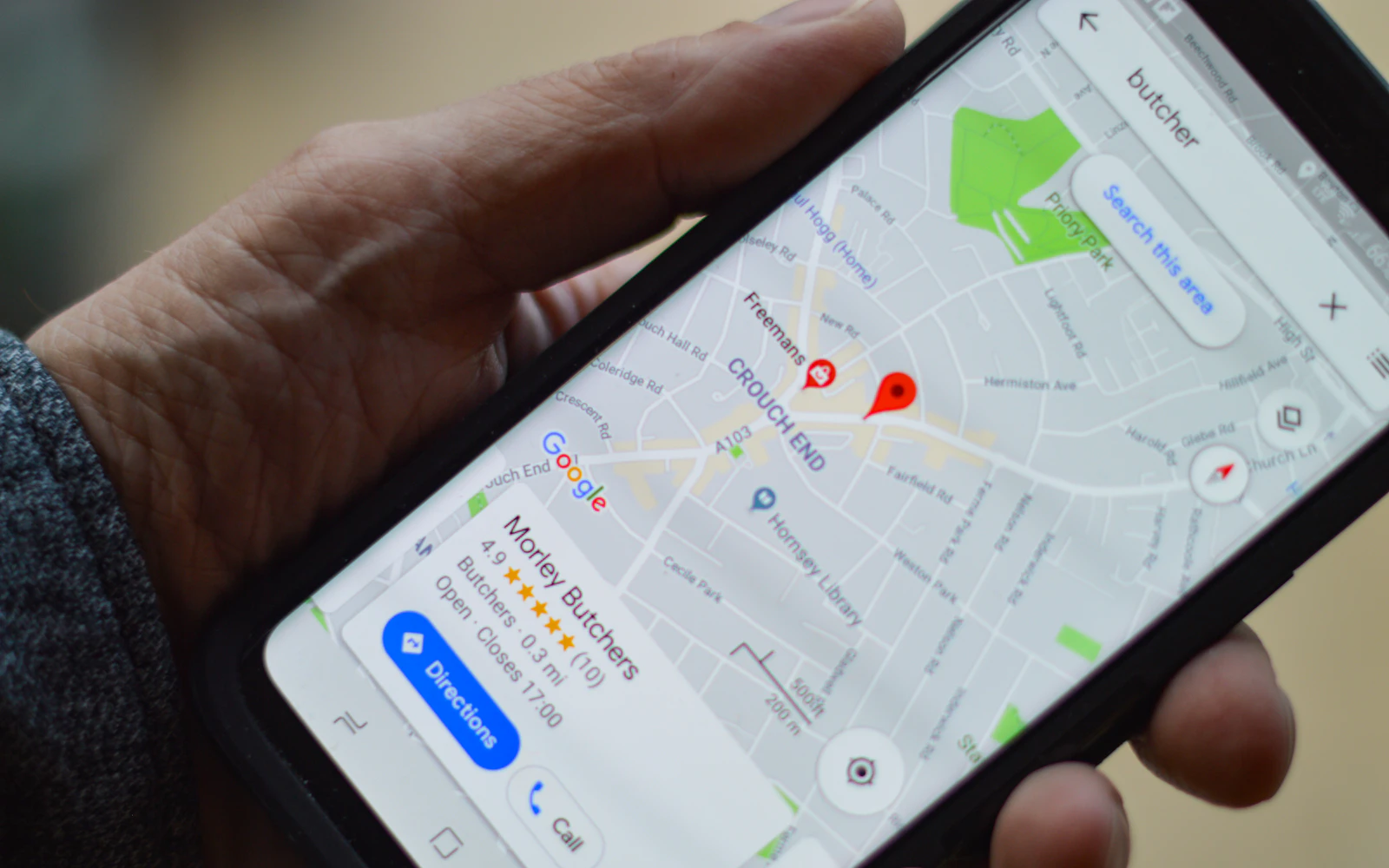
The 3-pack is the box of three businesses that appears with a map when someone searches for a local service, such as plumber near me or dentist in [city]. It sits above most normal results, and on mobile it often fills the whole first screen. For many service businesses it is the single biggest source of new calls.
The same ranking system also controls the order of results inside Google Maps itself. If you rank well in one, you usually rank well in the other.
How Google decides who appears
Google says local results are based mainly on three factors:
- Relevance: how well your profile and website match what the person searched for.
- Distance: how far your business is from the searcher or the location in the search.
- Prominence: how well known and trusted your business is, based on reviews, links, mentions and your overall presence online.
Distance is out of your control. Everything below is about making Google more confident that you are the most relevant and most trusted option nearby.
Step 1: Get your Business Profile 100% complete
An incomplete profile is the most common reason we see good businesses missing from the 3-pack. Fill in every field that applies to you:
- Business name exactly as it appears on your signage. Adding keywords to the name breaks Google’s guidelines and can get the profile suspended.
- Address or service areas, phone number, website and opening hours, including holiday hours.
- Services, with a short description for each one.
- A clear business description that says what you do and where you work.
- Real photos of your team, your work, your vehicles and your premises.
Our Google Business Profile checklist walks through every field in order.
Step 2: Choose the right primary category
Your primary category is one of the strongest relevance signals you control. Pick the category that describes your main service as precisely as possible, for example Emergency locksmith service rather than just Locksmith if that is what most of your work is. Then add secondary categories for the other services you genuinely offer.
A simple way to check: search your main keyword, look at the businesses already in the 3-pack and see which primary category they use. If every top result uses a category you do not have, that is usually the first fix.
Step 3: Build a steady flow of real reviews
Reviews affect both ranking and the decision to call. What matters is not only the star rating but also how many reviews you have, how recent they are and what customers write in them.
- Ask every happy customer, ideally the same day the job is finished. A short message with a direct review link works best.
- Reply to every review, good or bad, in a calm and helpful way.
- Never buy reviews or offer rewards for them. Google removes fake reviews and can restrict profiles that collect them.
Ten new reviews spread over three months usually do more than thirty in one week followed by silence.
Step 4: Make your business details consistent everywhere
Your name, address and phone number (often called NAP) should be the same on your website, your Business Profile, Facebook, and trusted directories in your country and industry. Mixed old addresses or different phone numbers confuse Google and reduce trust.
Start with the directories that already rank on page one for your main keyword. If customers can find you there, Google can too.
Step 5: Give Google a website that matches the search
Your website is part of how Google judges relevance. A one-page site that says “we do everything” rarely ranks well. Instead:
- Create one page for each main service, with the service and area in the title and main heading.
- Add your address or service areas, phone number and opening hours in text, not only inside an image.
- Answer the questions customers ask before they call: price range, timing, what is included.
- Make the site fast on mobile and put a click-to-call button where people can see it.
This is where Local SEO and website design work best together.
Step 6: Keep the profile active
Profiles that are updated regularly tend to look more trustworthy to people, and fresh content gives Google more to understand. Add new photos of real jobs, publish short updates about offers or recent work, and keep your services and hours up to date.
This matters even more now that Google is replacing the old Q&A section on Maps with AI answers. Those answers are built from your profile, your reviews and your website, so the more clearly you describe your services, the better Google can answer questions about you.
Step 7: Earn local mentions and links
Prominence grows when other local websites talk about you. Good sources include local news, suppliers you work with, trade associations, sponsorships of local events and partner businesses. A few genuine local links are worth more than hundreds of low-quality ones.
A real example
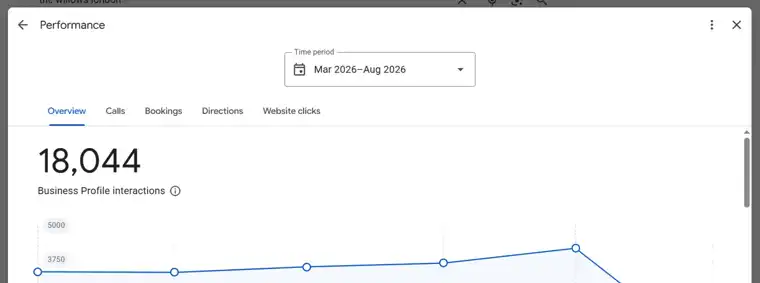
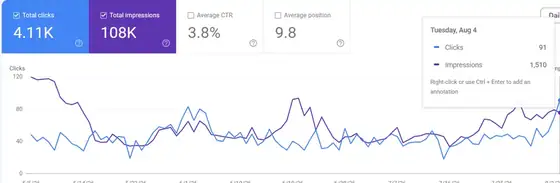
For The Willows in London, we focused on the profile basics first: the right categories, complete services, fresh photos and a review routine. Alongside that we improved the website pages behind the profile. Over six months the Business Profile brought in 893 phone calls and more than 18,000 interactions. You can see the screenshots on our results page.
How long does it take?
Fixing categories and missing profile details can show movement within a few weeks. Reviews, website improvements and local links build up over three to six months. In very competitive areas it can take longer, and no one can honestly promise a specific position, because Google decides the ranking.
Where to start
If you only do three things this week, complete your profile, check your primary category against the businesses in the 3-pack, and send review requests to your last ten happy customers. If you want us to look at it for you, ask for a free audit and we will send a short list of what to fix first.
Frequently asked questions
It is the group of three local businesses shown with a map at the top of Google results for local searches such as “plumber near me”. It also reflects the ranking inside Google Maps.
Google says local results are based on relevance, distance and prominence. Businesses improve relevance with the right categories, services and website content, and improve prominence with reviews, consistent business details and local links.
A website is not required to appear, but a clear website with a page for each service makes it much easier to rank well and to turn searchers into calls.
Quick fixes such as categories and missing profile details can show results in a few weeks. Strong, stable rankings usually take three to six months of consistent work.

Nadir leads strategy and Local SEO for every RankQora client, from first audit to rankings and calls.
More about our team